
How Car Insurance Claims Work in California: A Repair Shop Guide
After a crash, most people know they need to call their insurance company. What happens after that call is less clear. Who picks the shop? Who writes the estimate? What if the shop finds more damage once the bumper comes off? This guide walks through the repair side of a California car insurance claim, step by step, so you know what to expect and what to ask.
Step 1: Make the scene safe and collect information
Check for injuries first and call 911 if anyone is hurt. If the cars can move, get them out of traffic. Then gather what the claim will need:
- The other driver’s name, phone number, license, plate and insurance company
- Photos of both cars, the street, skid marks and any traffic signs
- Names and numbers of witnesses
- The police report number, if officers came
In California you must also report a crash to the DMV on form SR-1 within 10 days if anyone was injured or killed, or if property damage is over $1,000. Your insurance claim does not replace that report.
Step 2: Open the claim

Call your insurer, or the other driver’s insurer if they caused the crash. You will get a claim number. Write it down and keep it with your photos, because the repair shop will ask for it. If you are not sure who was at fault, our guide What to Do If You Are at Fault in a Car Accident explains how fault works in California.
Step 3: Choose your repair shop. It is your choice.
This is the part many drivers don’t know. Under California Insurance Code section 758.5, an insurance company cannot require you to take your car to a specific repair shop. An insurer may suggest a shop if you ask for one, or if it also tells you that you have the right to choose. Insurers often have “preferred” or “direct repair” shops, and you can use one if you like, but you don’t have to.
Pick a shop you trust, close to home or work, that will explain the repair to you in plain language. If your car can’t be driven, the shop can arrange towing so you are not stuck choosing whoever happens to show up at the scene.
Step 4: The estimate

The insurance company will write its own estimate, either with a field adjuster, from photos you send, or at the shop. California regulations require the insurer to give you a copy of its estimate. The repair shop also inspects the car and writes its estimate. The two often differ, especially when damage is hidden behind a bumper cover or inside a door.
A good shop will walk you through the differences line by line. For what an honest estimate should include, see How Honest Mechanics Give Repair Estimates.
Step 5: Hidden damage and supplements
Once panels come off, shops often find bent brackets, cracked sensors or radiator damage that no one could see at first. When that happens, the shop documents it with photos and sends a “supplement” to the insurer for approval. This is normal and is not a sign that anything went wrong. It can add a few days, which is one reason repair timelines vary. Our article on the timeline for car accident repairs explains the other common delays.
Step 6: Repair, quality check and pickup
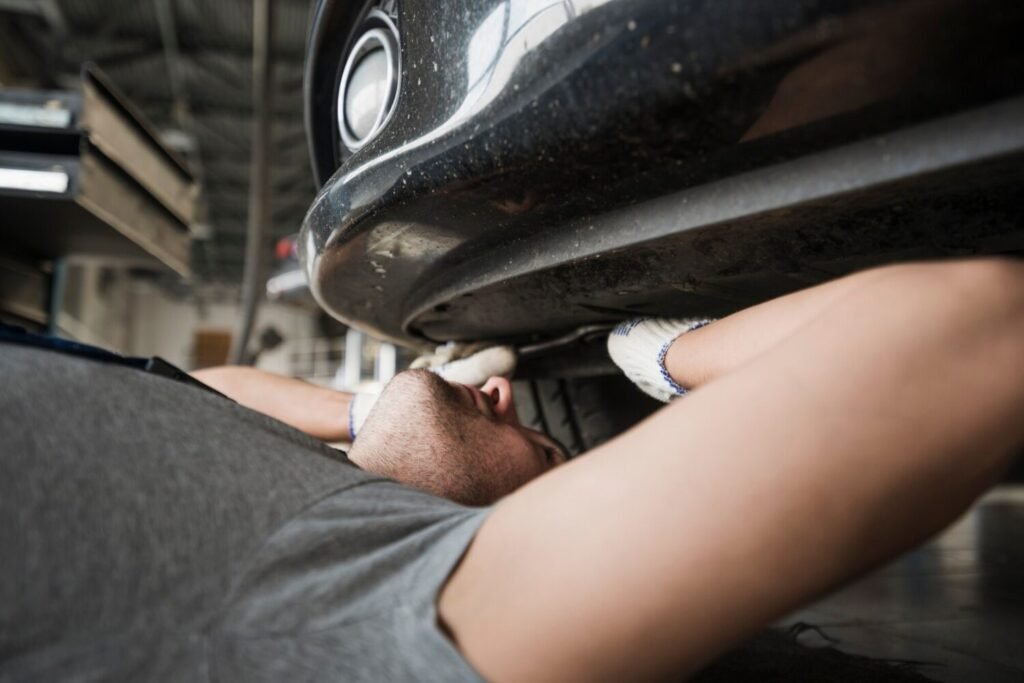
After approval, the shop orders parts and does the body, paint and mechanical work. Before you pick up the car, ask to see the repaired areas in good light, check that panel gaps line up, and make sure warning lights are off. Ask for a final itemized invoice and keep it. Records of quality repairs help if you sell the car later (see How Body Damage Impacts Your Car Value).
Questions to ask before you sign anything
- Will the shop work with my insurance company directly, or do I need to relay messages?
- Will I get a written estimate before work starts?
- How will I hear about supplements, and do I need to approve them?
- What is my deductible, and when do I pay it?
- Does my policy include a rental car, and for how many days?
- What warranty comes with the repair?
Should you file a claim at all?
For small dents and scratches, the repair can cost less than your deductible, and filing may not make sense. Get a written estimate first, then decide. Our guide DIY Dent or Body Shop covers when small damage is worth a claim.
How MPB helps with insurance claims
At MPB Auto Repair & Body Shop in Rancho Cordova, we work directly with your insurance company on the claim, so you don’t have to play phone tag. We inspect the car, give you a free written estimate, document any hidden damage for the insurer, and keep you updated until the car is ready. Learn more on our Insurance Claim Assistance and Collision, Paint & Dent Repair pages.
Call (279) 218-7797 or stop by 11432 Elks Cir, Ste B, Rancho Cordova, CA 95742.
This guide is general information, not legal advice. For questions about fault, injuries or coverage disputes, talk to your insurer or an attorney.